Layering Sheer Curtains with Blinds: Tips & Techniques

Layering sheer curtains with blinds is a smart and stylish way to control natural light, improve privacy, and boost energy efficiency. Start with a solid base layer like faux wood blinds or roller shades, then add sheer curtains on an extended rod. Sourcing materials locally helps you get the right fit fast. Best of all, this budget-friendly upgrade is totally doable in a weekend once you have all your materials.
Why Layer?
Southern California homeowners know you shouldn’t mess around with the sun. A bright afternoon can quickly turn an open-concept space into a sauna, pushing your HVAC system into overtime. But the challenge is finding a window treatment that blocks heat without turning your home into a dark and gloomy cave.
That’s where layering sheer curtains over blinds really shines. Keep the blinds closed during peak sunlight to reduce heat, or open them and let the sheers diffuse the light into a soft, welcoming glow.
- The Function: Blinds act as your primary privacy guard. When closed, they block prying eyes and direct sunlight.
- The Fashion: Sheer curtains add a layer of softness. They diffuse harsh light into a warm, inviting glow and add movement to a room.
Even better, this is a DIY project that won’t drain your wallet. With a few tools and a little patience, you can upgrade your windows—and your comfort level—without calling in the pros.
Advantages of Layering Sheer Curtains with Blinds
Pairing these two treatments offers more than just good looks; it’s a functional win across the board.
- Improved Energy Efficiency: Layered window coverings create insulating air pockets. Closing the blinds blocks heat, while sheer curtains add an extra buffer against drafts.
- Flexible Light Control: Blinds let you fine-tune incoming light, while sheers soften it, reduce glare, and help protect furniture from UV damage. Angle your blinds to bounce light off the ceiling or shut them tight for a movie marathon.
- Enhanced Privacy: Enjoy daylight without feeling like you’re living in a fishbowl. Sheers obscure the view from outside while still letting light in.
- Aesthetic Appeal: Blinds alone can feel a bit stark. Sheer curtains add softness, texture, and movement.
Choosing Your Materials
Your material choices will shape both function and style. Shopping locally can make the process easier than online shopping; a product ordered sight unseen may not match your vision.
Here is one important reality check. Windows are as unique as the homes they are in, and it is rare to find the perfect sizes sitting on a shelf.
You should plan on ordering custom blinds to ensure a flawless fit. While this usually requires a lead time of two to four weeks, it is well worth the wait for that professional, seamless look. For a perfect fit, refer to the section on measuring your windows.
The Base Layer: Blinds
Start with a strong foundation for privacy and light control.
- Faux Wood Blinds: Durable, moisture-resistant, impervious to the warping heat of the SoCal sun.
- Cellular Shades: Also called honeycomb shades, these are champs at trapping air and improving insulation. They are available in both light-filtering and blackout options.
- Roller Shades: Sleek and minimal, they tuck away discreetly when raised, keeping the look clean and simple.
The Top Layer: Sheer Curtains
This is where you set the mood.
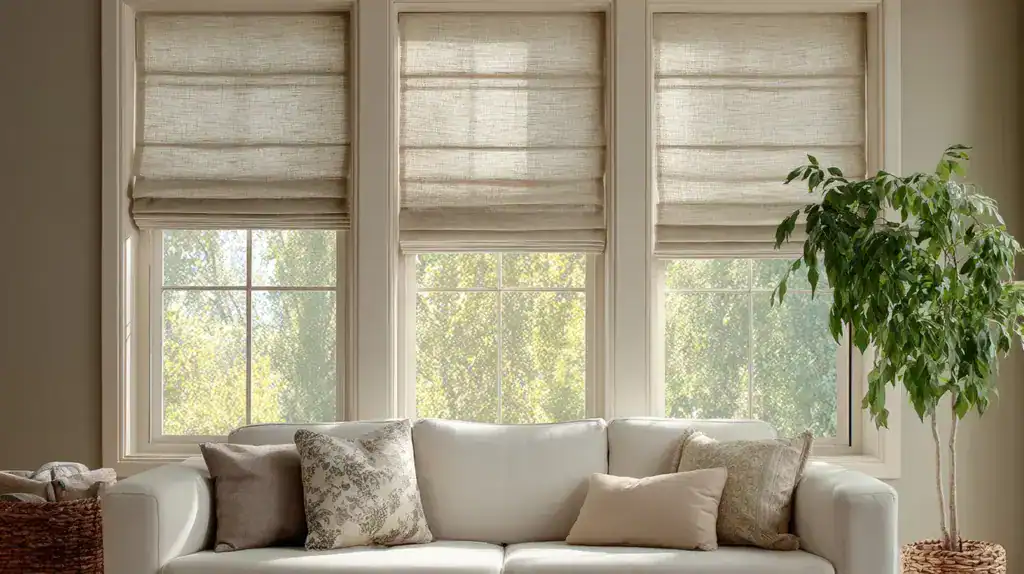
- Linen Blends: Lightly textured and relaxed, they’re perfect for that breezy SoCal vibe.
- Cotton Sheers: Crisp, clean, and easy to maintain and clean.
- Polyester Blends: Budget-friendly, durable, and resistant to fading.
Hardware
Choose a curtain rod that extends beyond the window frame to clear the blinds. Extended-depth brackets prevent the blind hardware from becoming entangled in the curtains.
Step-by-Step Installation Guide
This project is beginner-friendly, but careful measuring is essential. The golden rule is measure twice, drill once.
Measure the Windows
- For inside-mount blinds, measure the interior width. For curtain rods, add 4–6 inches on each side of the window frame.
- For uneven or older windows, measure at multiple points and use the smallest width. If the window is off-kilter and things get especially quirky, consider an outside mount.
- Large or uniquely shaped windows may need extendable rods or flexible curtain tracks to keep everything looking polished.
Mount the Blinds
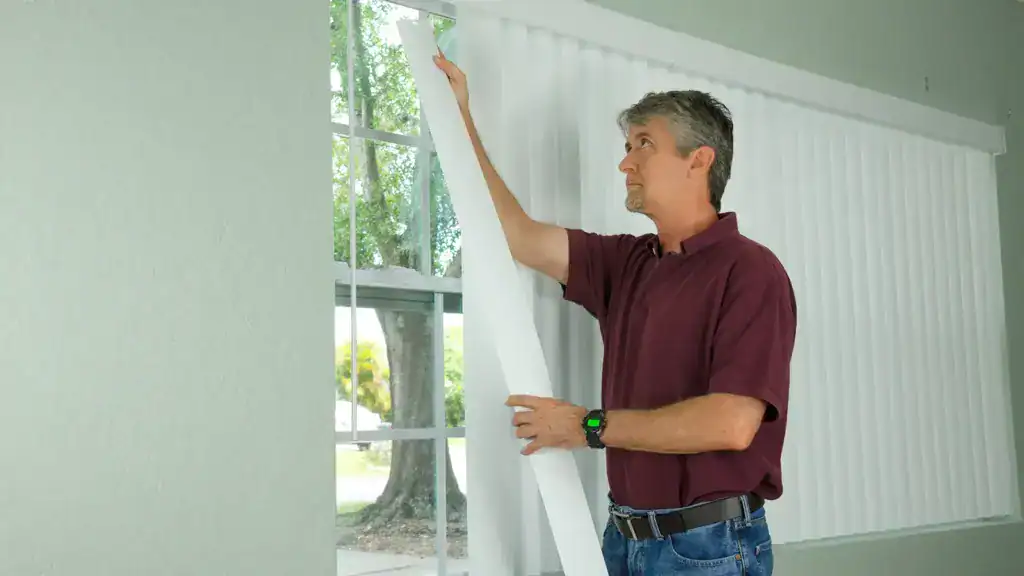
Once you have your blinds, it’s time to get out the drill and screwdriver and mount them.
- Safety glasses are a good idea for shielding your eyes from flying particles and dust.
- Check for any wires or plumbing that may be hiding in the areas you plan to drill.
- Mark and drill pilot holes for the bracket screws.
- For an inside mount, screw your brackets into the top corners. Snap the headrail in and test the mechanism.
Position the Curtain Rod Brackets
Use a level (nobody likes a crooked curtain) to mark your wall 4–6 inches above the frame. Going higher and wider makes your windows look larger and creates the illusion of higher ceilings.
Secure the Brackets
Install wall anchors if mounting in drywall, and screw the brackets firmly into place.
Hang the Sheers
Thread the curtains onto the rod, place the rod on the brackets, and tighten everything down.
Adjust and Steam
Even out the folds and steam out wrinkles for a clean, professional finish.
Design Tips for Southern California Homes
Consistency is key in open-concept spaces. Use the same blind-and-curtain combo across all windows in the space to create a cohesive, harmonious look.
Stick to light, neutral tones—white, ivory, or soft gray—for sheers to reflect sunlight and keep things airy. Add color through furniture and décor instead. Keep the blinds neutral, so they quietly blend into the background.
Refresh Your Home’s Look & Feel
Layering sheer curtains with blinds is one of those DIY projects that’s quick, affordable, and genuinely transformative. You’ll save money, sharpen your skills, and enjoy a more comfortable, energy-efficient space.
Take stock of your windows, gather your supplies, and set aside an afternoon once you have everything you need for the project. Your home will feel brighter, softer, and enlightened.
FAQs: Layering Sheer Curtains with Blinds
Q: Should I mount my blinds inside or outside the window frame?
Inside mounting is usually best for layering since it keeps blinds flush and leaves room for curtains to hang freely.
Q: How high should I hang the curtain rods?
Typically 4–6 inches above the frame. If ceilings are high, go even higher for added drama.
Q: Is buying materials locally worth it?
Beyond supporting your neighborhood, you can actually see the texture and material quality of the blinds and sheers. Plus, if you end up one bracket short, a quick trip is much easier than waiting for a shipping delivery.
Q: How do I make sure my sheers don’t look “thin” or cheap?
The secret is volume. Make sure the total width of your curtain panels is at least double the width of your window. More fabric equals more elegant folds.
Q: Are sheer curtains enough for privacy at night?
Not completely. At night, with the lights on inside, silhouettes may be visible; close the blinds for full privacy.
Q: Do I need special brackets to hang blinds and curtains?
If your blinds are inside the frame, standard brackets are fine. If your blinds are outside the frame, you’ll need “projection” or extended brackets so the curtains don’t get caught on the blind hardware.
Q: Can layered window treatments reduce glare on screens?
Yes. Sheers soften incoming light, making it easier to watch TV or work without harsh glare.
Q: What’s the easiest way to maintain both layers?
A quick vacuum with the brush attachment keeps the blinds dust-free. As for the sheers, most can go in the wash on a gentle cycle, but always check the care label first.